- Free delivery from €70
- Producer-harvester in southern Vendée
- Secure payment
- 06 04 47 22 08

The 4 seasons · Autumn
Autumn, the hive prepares for winter
Last flowers, honey reserves and a colony drawing closer together: in autumn, the bees prepare for their survival.
Autumn is a season of transition for bees. As nature slows down, the colony must carry out decisive tasks to get through the cold months. A shrinking population, the last harvests, honey reserves: discover how the hive prepares for winter.
A shrinking colony
As autumn approaches, the queen lays fewer and fewer eggs. The number of bees gradually decreases, allowing the colony to save its resources and energy. Bees born at this time, known as “winter bees”, live much longer than summer bees: several months instead of a few weeks.
The last harvests
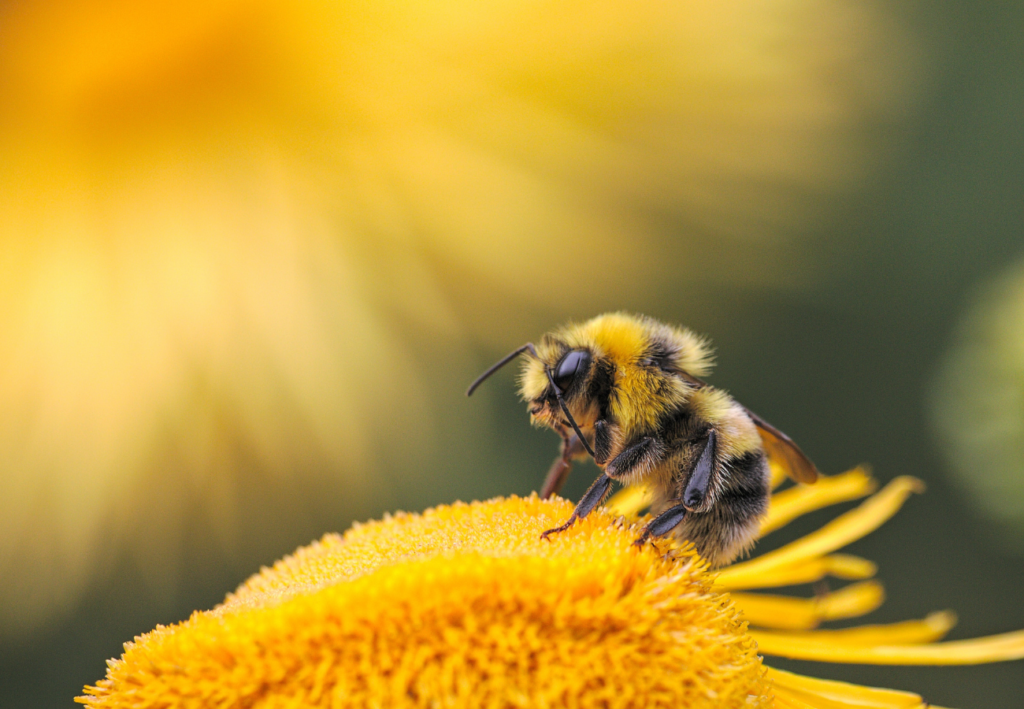
The foragers make the most of the last flowers still in bloom to bring back nectar and pollen. They also collect propolis, a resin taken from the buds and bark of certain trees, which they use to seal gaps and protect the hive from the weather.
Reserves for the whole winter
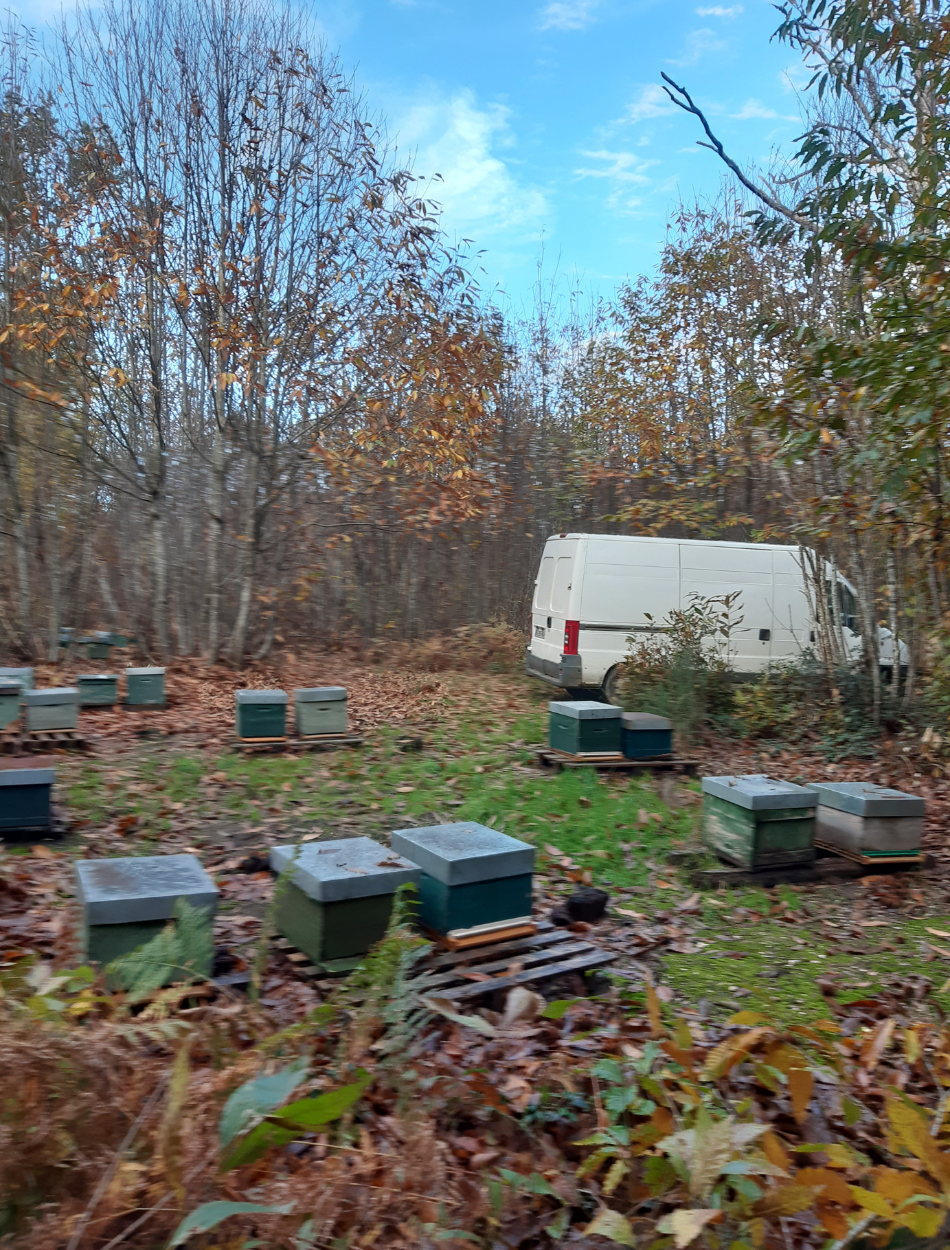
The priority in autumn is building reserves. The bees store honey in the cells around the nest: it will feed the queen and the workers until spring. For his part, the beekeeper checks that each colony has enough supplies before the cold arrives.
A well-protected hive
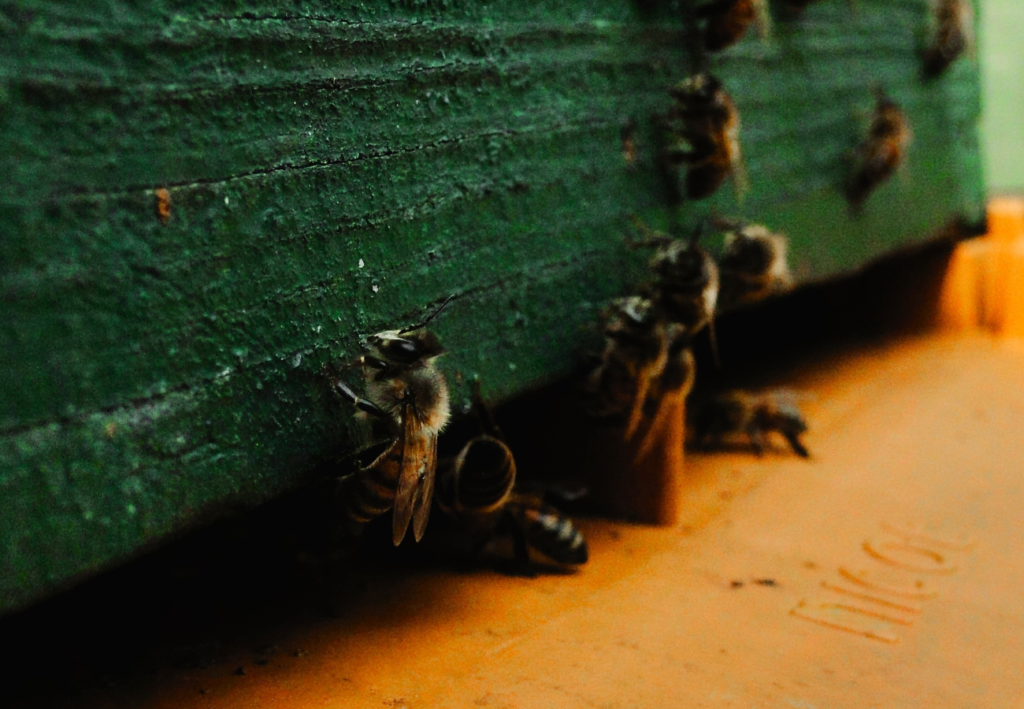
Damp and draughts are the colony’s enemies in winter. The bees seal the hive with propolis, and the beekeeper often narrows the entrance to keep out the cold and predators. Autumn is also the season when hornets, especially the Asian hornet, lie in wait for foragers in front of the hive: careful monitoring is essential.
And honey in autumn?
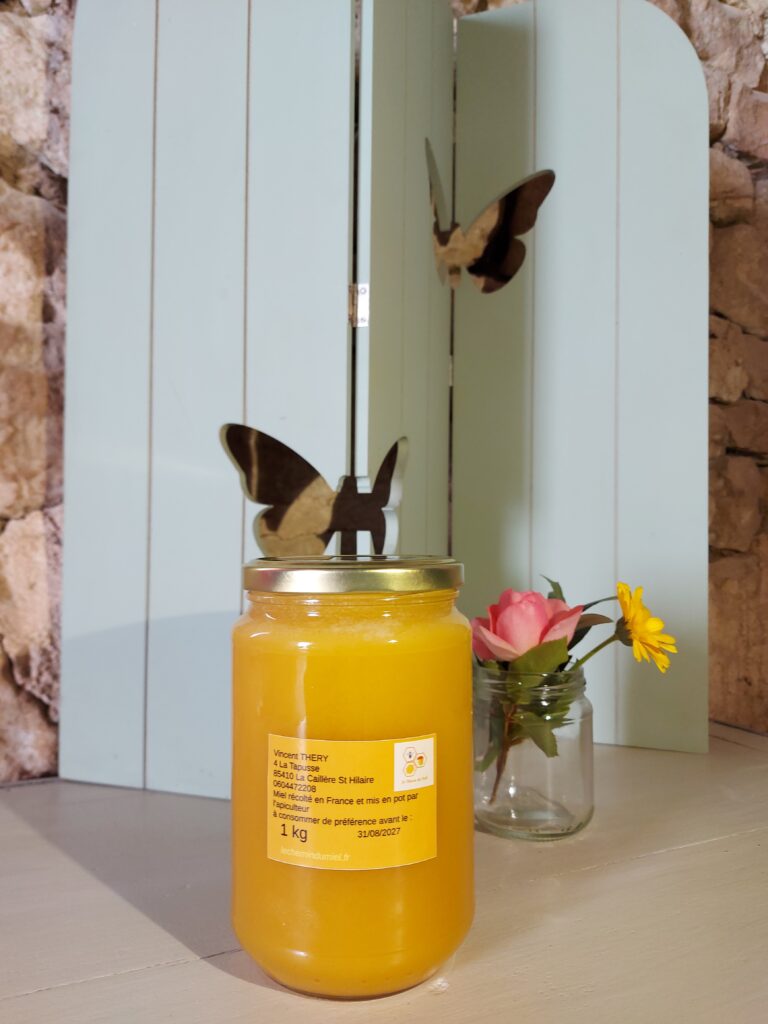
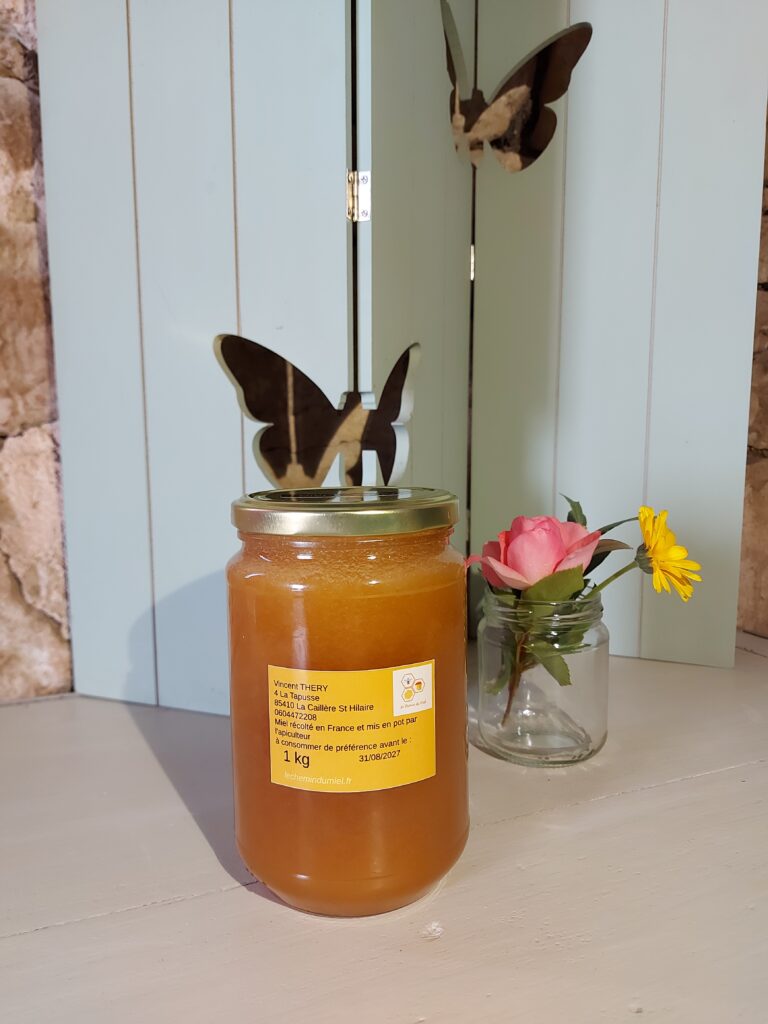
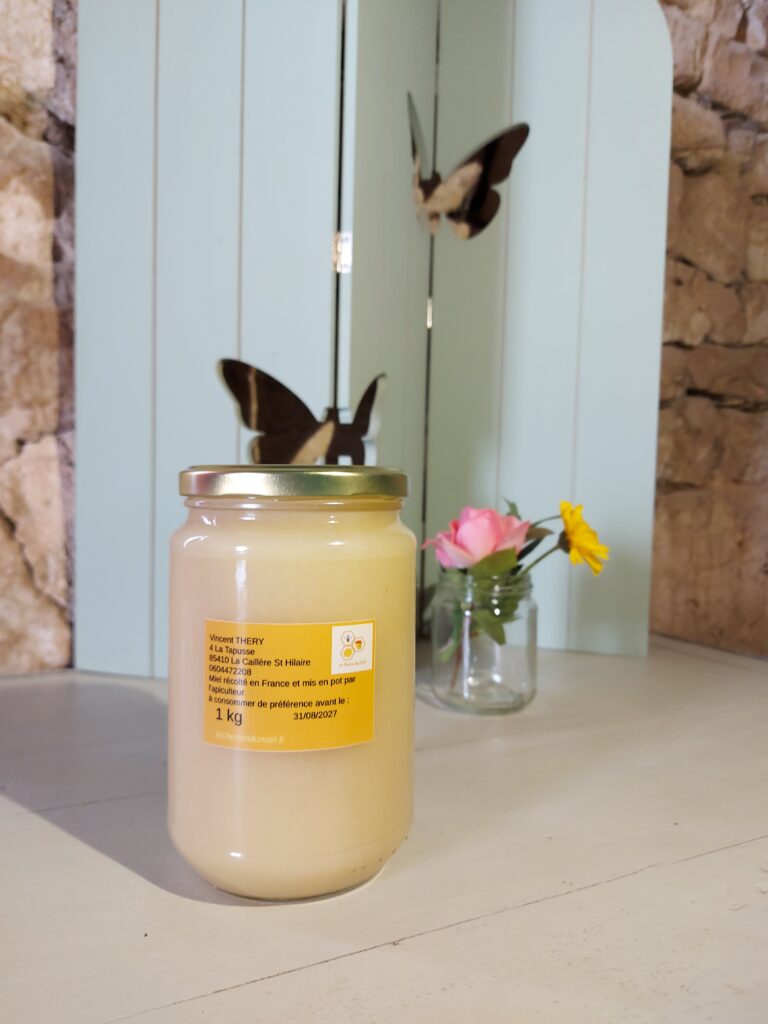
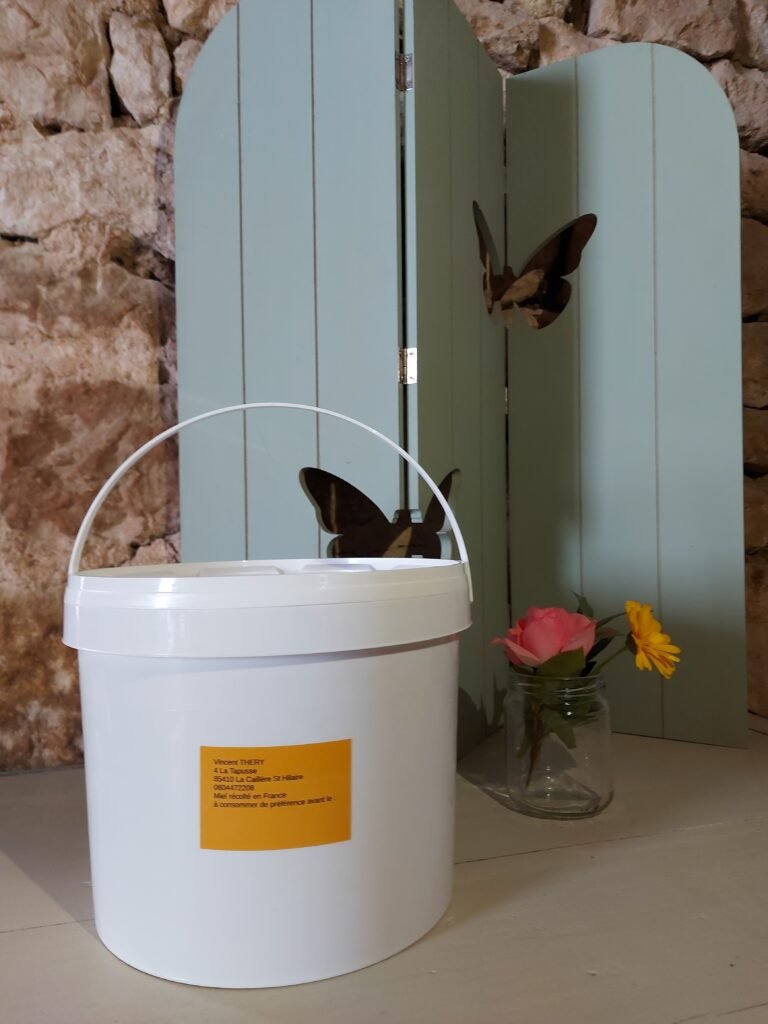
In autumn, the harvest is over: the remaining honey belongs to the bees – it is their larder for the winter. It is the ideal season to enjoy our honeys harvested in spring and summer, in jars or in tubs for the greediest.
In short
Autumn is a time of preparation for bees: the colony draws together, gathers its last resources and stocks up on reserves. A remarkable organisation that reminds us how important it is to protect their habitats, vary flowers and limit pesticides.
Our range
Discover our seasonal honeys
From flower to honey
Le Chemin du Miel through the 4 seasons
A question about our honeys?
Vincent and his family will be happy to help, by phone, by email or through the contact form.
Free delivery from €70
€11 flat rate below that, anywhere in France
Secure payment
Bank card or cheque
Producer-harvester
From hive to jar, as a family
Any questions?
06 04 47 22 08